


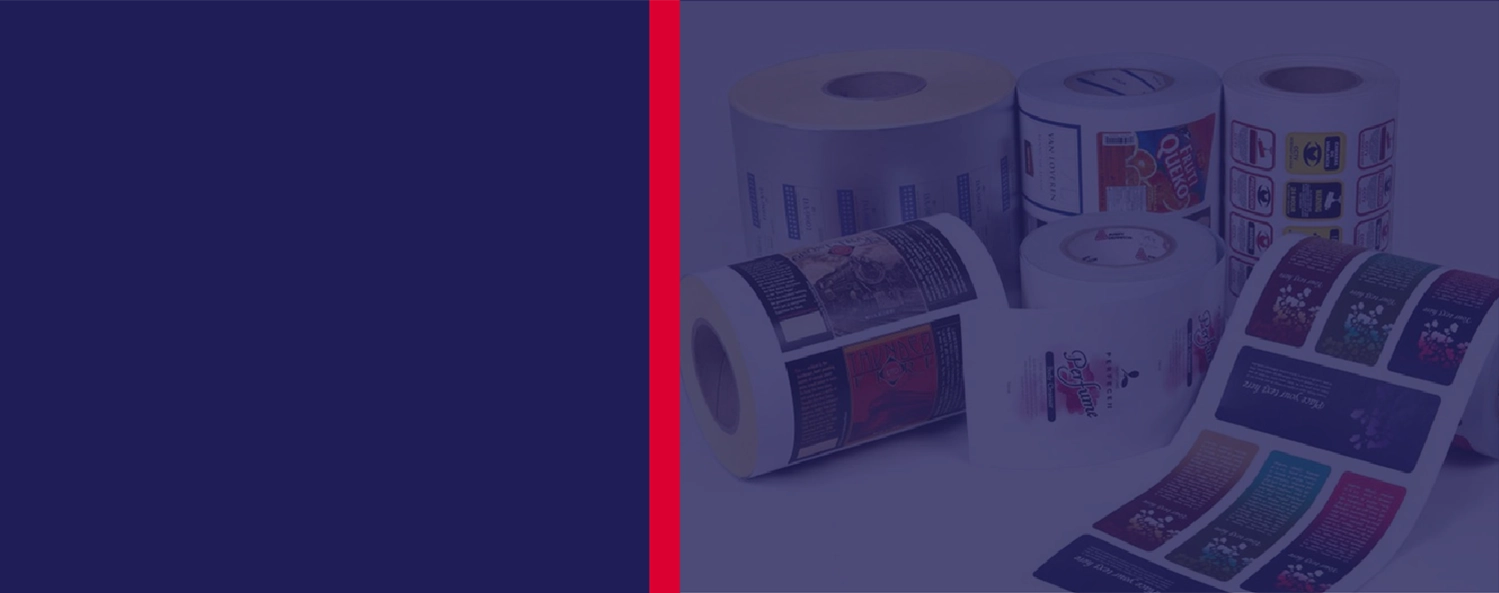
The label printing industry continues to evolve at a rapid pace as brand owners demand greater flexibility, faster turnaround times, enhanced sustainability, and consistently high print quality. Digital printing has moved well beyond niche applications and is now a core production technology across pressure-sensitive labels, shrink sleeves, and specialty packaging.
Key Trends Shaping Digital Label Printing
Digital Printing Becomes Mainstream
Digital printing is increasingly complementing—and in some cases replacing traditional analog processes. Converters are leveraging digital presses to handle shorter runs, versioned SKUs, and just-in-time production while reducing waste and setup time.
Short Runs and Variable Data Drive Growth
Brands produce more localized, customized, and serialized labels. Digital printing allows for easy integration of variable data such as barcodes, QR codes, language changes, and promotional graphics without disrupting production workflows.
Digital Printing and RFID Label Compatibility
Another area where digital printing continues to outperform traditional label production is RFID labeling. RFID labels require precise registration, unique variable data, and gentle handling of embedded chips and antennas—all strengths of digital workflows.
Digital presses natively support serialization and variable data printing, making it easier to align printed graphics with RFID inlays while minimizing waste. When combined with UV-LED curing, digital printing introduces very low heat, protecting sensitive RFID components and enabling reliable printing on thin films and specialty RFID face-stocks.
Sustainability and Efficiency
On-demand digital printing reduces overproduction and material waste. Combined with energy-efficient curing technologies, digital workflows support sustainability initiatives without sacrificing throughput or quality.
UV-LED Curing Gains Momentum
UV-LED curing has become a preferred technology for label printing due to its instant cure, low energy consumption, and ability to print on heat-sensitive substrates. Compared to conventional UV systems, UV-LED curing delivers consistent performance with lower operating costs and no mercury lamps.
Why UV-LED Inks Matter in Label Printing
UV-LED curable inks offer key advantages for modern label production:
- Instant curing for faster production and inline finishing
- Excellent adhesion on paper, film, and synthetic substrates
- Durability for abrasion, moisture, and chemical resistance
These benefits make UV-LED inks an ideal fit for today’s diverse label applications.
Spotlight on Wikoff Digital’s Ascella UV-LED Inks
Wikoff Digital’s Ascella UV-LED inks are engineered specifically for the demands of digital label printing.
Key advantages include:
- Multi-substrate versatility, including coated papers, PET, PP, PE, RFID substrates and synthetic label stocks
- Compatibility with multiple industrial printheads, such as Ricoh, Kyocera, and Konica-Minolta, offering flexibility across digital press platforms
- Optimized for UV-LED curing, delivering fast cure speeds and consistent print quality
- Strong adhesion and durability, without affecting RFID tag performance
Ascella inks are part of Wikoff Digital’s broader portfolio of ink, primer, and coating solutions designed to help converters expand digital capabilities with confidence.
Looking Ahead
As brand expectations continue to evolve, digital label printing will remain a critical growth area for converters. Technologies that combine flexible digital workflows, UV-LED curing, and advanced ink chemistry—such as Wikoff Digital’s Ascella UV-LED inks—are well positioned to meet the future demands of label printing, including emerging applications like RFID and smart packaging.


